
How Much Does It Really Cost to Buy a Home in Miami-Dade County in 2026?
How Much Does It Really Cost to Buy a Home in Miami-Dade County in 2026?
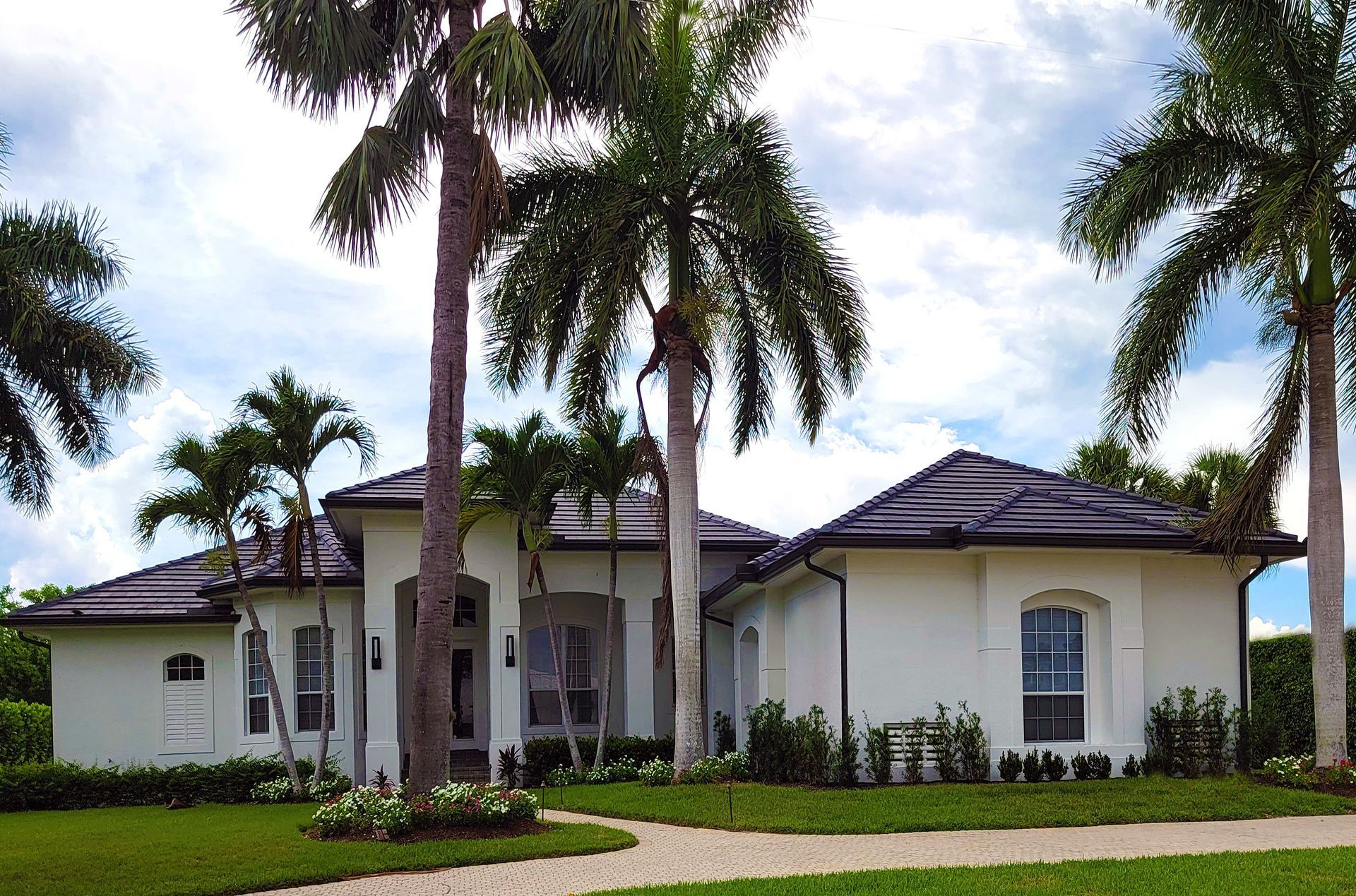
From down payments to closing costs, property taxes, and insurance, here's what South Florida homebuyers should know before making their next move.
Buying a home is one of life's biggest milestones. But if you're thinking about purchasing a home in Miami-Dade County, there's an important question worth asking before you start browsing listings:
How much will it actually cost?
Whether you're a first-time buyer exploring Kendall, searching for a townhouse in Doral, or looking for a single-family home in Pinecrest, understanding the full cost of homeownership can make a significant difference. The truth is, the purchase price is only part of the picture.
Between your down payment, closing costs, property taxes, homeowners insurance, and potential association fees, the amount you'll need may be different from what you initially expected. At The Rivero Aguila Group, we believe informed buyers make confident decisions.
Here's what you should know before purchasing a home in Miami-Dade County in 2026:
1. Looking Beyond the Listing Price
Miami-Dade County offers a wide variety of homes, neighborhoods, and lifestyles, but ownership costs can differ significantly from one property to another.
A condominium in Downtown Miami may have a lower purchase price than a single-family home in Hialeah, but its association fees could substantially affect your monthly budget.
Likewise, a townhouse in Homestead may have different expenses than a detached home in Kendall or Homestead.
Our advice: Don't focus solely on how much home you can purchase. Consider how much you can comfortably afford each month, including taxes, insurance, and other ownership expenses.
2. Down Payments: Do You Really Need 20%?
One of the biggest misconceptions about buying a home is that you need a 20% down payment.
Fortunately, many financing programs offer qualified buyers more flexibility. Including:
- Conventional loans: Certain programs allow down payments as low as 3%.
- FHA loans: Eligible borrowers may qualify with as little as 3.5% down.
- VA loans: Qualified veterans and eligible service members may have access to zero-down-payment financing.
For example, here's how different down payments compare on a hypothetical
$500,000 home:
A Down Payment of 3% = $15,000, 3.5% = $17,500, 5% = $25,000, 10% = $50,000, and 20% = $100,000
Lower down payments may involve mortgage insurance or additional financing requirements, so it's important to discuss your options with a qualified lender.
Getting pre-approved before beginning your home search helps you understand your buying power and shop with greater confidence.
3. Closing Costs: An Expense Buyers Often Overlook
Your down payment isn't the only money you'll need when purchasing a home. Buyers should also prepare for closing costs, which may include lender fees, appraisals, title-related charges, recording fees, prepaid insurance, and initial tax or insurance escrow deposits.
For preliminary budgeting, buyers sometimes estimate closing costs at approximately 2% to 5% of the purchase price, although actual expenses vary by transaction. On a $500,000 home, that could mean an additional $10,000 to $25,000.
Depending on the market, financing program, and negotiated contract terms, sellers may sometimes contribute toward eligible closing costs.
Our advice: Ask your lender for an itemized estimate of your cash-to-close before making an offer, so you can prepare for the full upfront expense.
4. Property Taxes: Why the Current Bill Can Be Misleading
Property taxes are an important consideration for Miami-Dade homebuyers, particularly because the current owner's tax bill may not reflect what you'll pay after purchasing the property.
Florida property taxes depend on assessed value, exemptions, local tax rates, and other factors. A change in ownership can affect the property's assessed value.
If you're purchasing a primary residence, you may qualify for Florida's Homestead Exemption, which can reduce your taxable property value.
Eligible homeowners may also benefit from the "Save Our Homes" assessment limitation, while those moving between Florida homesteaded properties may qualify for portability benefits.
Before purchasing, visit the Miami-Dade County Property Appraiser to research the property's estimated future taxes rather than relying solely on the seller's current bill.
5. Homeowners Insurance: A South Florida Essential
South Florida offers an incredible lifestyle, but homeowners insurance is an expense buyers should evaluate carefully. Premiums can vary based on the property's location, roof condition, construction, hurricane protection features, coverage limits, and insurance carrier requirements.
Homes with qualifying wind-resistant features may be eligible for insurance discounts, although actual savings vary. Another important consideration is flood insurance.
Standard homeowners insurance generally does not cover flood damage. Depending on the property's location and financing requirements, separate flood coverage may be required.
Even when it isn't mandatory, buyers should consider their property's flood exposure.
Our advice: Obtain homeowners and flood insurance quotes early in the buying process. Understanding these expenses before closing can help you avoid unexpected financial surprises.
6. Don't Forget HOA and Condo Association Fees
If you're considering a condominium or townhouse, association fees can significantly affect your monthly ownership costs. Depending on the community, these fees may cover landscaping, amenities, common-area maintenance, building insurance, or reserve contributions.
Condominium buyers should also review association finances, applicable inspection requirements, reserve funding, and potential special assessments. A lower purchase price doesn't always mean a lower overall monthly payment.
Review association documents and financial obligations during the appropriate contractual review period before committing to a property.
7. So, How Much Money Should You Have Saved?
Let's bring everything together with a simple example.
Suppose you're purchasing a $500,000 home in Miami-Dade County with a 5% down payment. Here's what your estimated upfront expenses might look like:
Home purchase price: $500,000. Down payment (5%) $25,000. Estimated closing costs and prepaids (3%) $15,000. Estimated cash needed: $40,000
In this hypothetical scenario, you would need approximately $40,000 in upfront funds, assuming the closing-cost estimate includes applicable prepaid and escrow items.
Actual costs will depend on your loan, insurance, taxes, negotiated seller credits, and other transaction details. You'll also want additional savings for moving expenses, maintenance, and unexpected repairs.
The takeaway: Buying a home isn't just about qualifying for a mortgage. It's about being financially prepared for everything that comes with homeownership.
Final Thoughts: Your Next Move Starts With the Right Information
Buying a home in Miami-Dade County is about more than finding the right property. It's about understanding the costs, preparing financially, and making decisions that fit your goals.
From down payments and closing costs, to insurance and property taxes, knowing what to expect can make your homebuying journey smoother and more rewarding.
At The Rivero Aguila Group, we're here to help you navigate the South Florida real estate market with confidence, local expertise, and personalized guidance.
Thinking about buying a home? Connect us today and let's talk about creating your next best move.
The Rivero Aguila Group
Results That Move You
Disclaimer: This article is for general educational purposes. All financial examples are hypothetical. Actual mortgage terms, closing costs, taxes, insurance premiums, and financing eligibility vary. Consult qualified professionals for guidance specific to your circumstances.
Recent Posts